Hyvä muistaa
Good to remenber
Ilmoittaudu / Registrate 4.11. klo 18:00.
Maksa / Pay
10.1.2027.
Järjestä kuljetus /
Arrange transport.
Pakkaa mukaan
Pack to go
Keskiaikavaatteet.
Medievalish clothes.
Syömiseen astiat.
Dishes for eating.
Nukkumiseen lakanat ja tyynyliina.
Duvet and pillowcase for sleeping.
Pyyhe peseymiseen.
Towel for washing.
Välttämättömyydet kuten esim. lääkkeet.
Necessities such as medicines.
(Puhelin&laturi)
(Phone & charger)
Sydäntalvenjuhla 12.-14.2.2027
Midwinter Feast 12.-14.2.2027
Perjantai / Friday
18:00 Paikka auki / Site opens
Iltapala / Evening snack
Sauna
Lauantai / Saturday
9:00–10:00 Aamupala / Breakfast
Lounas / Lunch
Pidot / Feast
Sauna
Sunnuntai / Sunday
9:00–10:00 Aamupala / Breakfast
13:00 Paikka sulki / Site closes
Tekijät / Makers
– Event steward&food
Unikankareen Susanna
midwinter2027@gmail.com
– Marshal-in-charge
Mikael Rantzow
– Archery marshal
Tomas Kurittu
——————–
Tapahtuma / The Event
Perjantaina saapuillaan paikalle, käydään ilmoittautumassa tervetulopöydän väelle salissa, laitetaan sänky kuntoon ja saavutaan keskiaikaisina takaisin saliin missä on tarjolla pientä syötävää ja illasta iltapalaa. Salin pöydistä voi valita itselleen paikan ja varata sen laittamalla siihen astioitaan. Loppuillassa saatamme tanssia, laulaa, tarinoida, tehdä käsitöitä ja muuta sellaista osan suunnatessa saunaan tai aikaisin nukkumaan. Salissa saa viettää aikaa miten pitkään vain, mutta yöllä pyydämme pitämään äänet kohtuullisina sillä salin seinän takanakin nukutaan.
Upon arrival on Friday, please check in with the staff at the welcome desk in the hall, set up your sleeping area, and return to the hall in your medieval attire. Light refreshments will be available, followed by a late-evening snack. You may choose a spot at one of the tables in the hall and reserve it by placing your tableware there. The rest of the evening may be spent dancing, singing, sharing stories, working on crafts, or engaging in similar activities—while some may choose to head to the sauna or retire early for the night. You are welcome to spend as much time as you like in the hall; however, we ask that you keep noise levels reasonable during the night, as there are people sleeping on the other side of the hall walls.
Lauantaina aloitetaan aamupalalla, joka löytyy salin isolta noutopöydästä, kuten kaikki muutkin ruuat pitoja lukuunottamatta (pidot tarjoillaan pöytiin). Päivän aikana on tarjolla monenlaista ohjelmaa mihin voi osallistua oman kiinnostuksen mukaan. Lisäksi salissa ja ulkona voi toki oleilla vapaasti, tehdä omia käsitöitä, pelata pelejä tai jutella vanhojen ja uusien tuttujen kanssa. Suurin osa ohjelmasta tapahtuu sisällä salissa. Taisteluohjelmat ovat ulkona, marskien (taistelu- ja jousiammuntavastaavien) turvalliseksi katsomassa paikassa. Jos kenttä on kunnossa suosimme sitä. Saunat tapahtuvat saunalla. Pesu- ja pukuhuoneita on vain yhdet, joten kannattaa olla ulkona saakka ”oman vuoron” loppuessa jos haluaa välttää seuraavien seuraa. Itasauant ovat sekasaunoja. Saunassa saa halutessaan käyttää uiapukua mutta useimmat saunovat ilman Lauantain loppuillan valtaavat, mikäli kruunupäitä on paikalla ja he niin haluat, hovi, ja sen jälkeen pidot. Pidoilla ruoka tarjoillaan pöytiin useammassa kattauksessa joiden välissä on pientä ohjelmaa. Kattauksien jälkeen ilta jatkuu vapaamuotoisesti jutustelun ja oleilun, tanssin ja laulun merkeissä.
Saturday begins with breakfast, available at the large buffet in the main hall—as is all other food, with the exception of the feast (which is served at the tables). Throughout the day, a variety of activities are offered, which you may join according to your interests. You are also free to spend time in the hall or outdoors, work on your own crafts, play games, or chat with old and new acquaintances. Most activities take place inside the hall. Combat activities are held outdoors, in an area deemed safe by the marshals (those in charge of combat and archery). If the field is in good condition, we prefer to use it. Saunas take place at the sauna building. As there is only one set of washing and changing facilities, it is advisable to be outside by the time your “allotted slot” ends if you wish to avoid encountering the next group. The evening saunas are mixed-gender. You may wear a swimsuit in the sauna if you wish, though most people use it without one. Later on Saturday evening—provided that members of the royalty are present and wish for it—the court takes center stage, followed by the feast. During the feast, food is served at the tables in several courses, with short segments of entertainment interspersed between them. Once the meal service concludes, the evening continues in a relaxed fashion with conversation, socializing, dancing, and singing.
Sunnuntaina olemme taas takaisin nykyajassa. Aamupalan jälkeen ei ohjelmassa ole enää muuta kuin pakkaamista ja siivoamista. Kaikkien toivotaan auttavan laittamalla kuntoon majoituspaikat. Myös yhteisten tilojen kuten salin, vessojen ja saunan, siivoamisessa saa mielellään auttaa.
On Sunday, we return to the present day. After breakfast, the only things left on the agenda are packing and cleaning. Everyone is asked to help by tidying up their accommodation. You are also welcome to help clean the communal areas, such as the hall, restrooms, and sauna.
—————————————
Monenlaista ohjelmaa / Many kind of activities
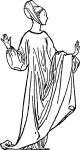
Historialliset tanssit ovat harrastajatanssimestareiden vanhojen kirjallisten lähteiden pohjalta rekonstruoimia tansseja, joiden tanssiminen ei ole jatkunut nykypäipäivään. Tanssilähteitä on löytynyt ympäri Eurooppaa 1400-luvulta alkaen. Tansseja on hyvin erilaisia ja niistä on kerätty tietoa erilaisista lähteistä.
Seurassa tanssitaan esimerkiksi
– ns. varhaisia tansseja, jotka on koottu ennen vuotta 1450 lähinnä hyvin irtonaisista lähteistä ja esim. kuvista (esim. Estampiet, saltarellot, Trotto)
– varhaisitaliaisia bassadanza ja ballo -tansseja 1400-luvun puolesta välistä alkaen esim. Domenico da Piacenzan & oppilaidensa Guglielmo Ebreon ja Antonio Cornazanon käsikirjoituksissa (esim. Petit riens, Rostiboli gioioso, Anello, Amoroso)
– Gresleyn noin vuonna 1500 kirjoitettu muistikirjaan pohjaavia tansseja (esim. Grene gynger, Orynge), brandleja eli helppoja ketju- ja piiritansseja
– Thoinot Arbeaun tanssioppaasta vuodelta 1589 (esim. Branle des Lavandieres joka tunnetaan myös nimellä Washerwoman’s Branle eli pyykkärinbranle, Branle Cassandra, Branle Dance de la Haye eli Hay brandle, Branle Officiale tunnettu myös nimellä ladynheitto)
– Lontoon Inns of Court -lakikoulun tanssiaisista on säilynyt kuusi muistiinpanotyyppistä tanssiohjatta, noin vuosilta 1570-1675, helpoista parijonoissa tanssittavista aloitustansseista, Old Measures -tansseita, joista suurin osa on almaineja (esim. Queen’s almaine, Black Almaine, Tinternell)
– John Playfordin vuonna 1651 julkaiseman The English Dancing Master -tanssioppaan ja sen myöhempien painoisten “ECD”-tansseja (English Country Dances) (piiritansseja esim. Gathering Peascods, Jenny Pluck Pears, nelitansseja esim. Hyde Park, Newcastle, parijonotansseja esim. Confesse, Staines Morris, Upon a Summers Day), solatansseja esim. The Bath, Childgrove).
Historical dances are dances reconstructed by hobbyist dance masters based on old sources that describe dances which have Otherwise been lost to history. Dance sources have been found all over Europe dating from the 15th century onwards. There are very different kind of dances and information about them has been collected from different kind of sources. In SCA we dance, for example
– the so-called early dances, which were compiled before 1450 from rather scarce sources and e.g. from pictures (e.g. Estampiet, Saltarellos, Trotto)
– early Italian bassadanza and ballo dances starting from the middle of the 15th century e.g. the manuscripts of Domenico da Piacenza & his students Guglielmo Ebreo and Antonio Cornazano (e.g. Petit riens, Rostiboli gioioso, Anello, Amoroso)
– dances based on Gresley’s notebook written around 1500 (e.g. Grene gynger, Orynge)
– brandles, i.e. easy chain and circle dances, from Thoinot Arbeau’s dance manual from 1589 (e.g. Branle des Lavandieres also known as Washerwoman’s Branle, Branle Cassandra, Branle Dance de la Haye, Hay brandle, Branle Officiale also known as Toss the Lady)
– From the balls of the Inns of Court law school in London, six note-type dance instructions have been preserved, from around 1570-1675, from easy opening dances danced in pairs, Old Measures dances, most of which are almaines (e.g. Queen’s almaine, Black Almaine, Tinternell)
– “ECD” dances (English Country Dances) from John Playford’s 1651 dance guide The English Dancing Master and its later editions (circle dances e.g. Gathering Peascods, Jenny Pluck Pears, dances specifically for four couples e.g. Hyde Park, Newcastle, dances for a specific number of dancers in the set e.g. Confesse, Upon a Summers Day), and longways dances for as many couples as will e.g. Staines Morris, The Bath, Childgrove).
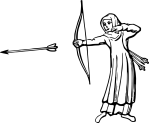
Jousiammuntaan saa osallistua kuka tahansa, kunhan noudattaa ammuntasääntöjä ja marskin ohjeita, sekä on sopivassa kunnossa. Alle 12-vuotiaalla on oltava huoltaja lähettyvillä ammunnan aikana. Kokeilun ja aloittelijaopetuksen lisäksi tapahtumissa voi olla myös erilaisia kilpailuja, joihin kaikkiin toki uudet voivat osallistua.
Jousiammunnassa käytetään mahdollisuuksien mukaan kokonaan puisia pitkäkaarijousia, vastaarijousia tai jalkajousia, mutta jousissa saa olla mukana nykyaikaisia materiaaleja kuten lasikuitulaminaattia. Nuolet puuta luonnonsulilla, mutta muoviset nokit ovat sallittuja.
Ammunassa on hyvä olla myös varusteita kuten nuoliviini, sormisuoja, rannesuoja ja ammuntahanska. Harrastuksemme aikakausi päättyy vuoteen 1600.
Ennen omien tarvikkaiden hankkimista kannattaa käydä kokeilemassa ammuntaa tapahtumissa, missä useimmiten on mahdollista kokeilla jousiampumista lainavarusteilla.
Anyone can participate in archery, as long as they follow the shooting rules and marshals instructions, and are in a suitable condition. Children under the age of 12 must have a guardian nearby during shooting. In addition to the experiment and beginner’s teaching, the events can also include various competitions, in which all newcomers can of course participate.
Archery, when possible, uses entirely wooden longbows, recurve bows or crossbows, but modern materials such as fiberglass laminate may be included in the bows. Arrows are wood with natural feathers, but plastic nocks are allowed.
When shooting, it is also good to have equipment such as arrow quill, finger guard, wrist guard and shooting glove. The era of our hobby ends in year 1600.
Before getting your own equipment, you should try shooting at events, where it is usually possible to try archery with borrowed equipment. In addition to experiments and beginner lessons, the events can also include various competitions.

